
Technology
Accenture accused of publishing AI paper littered with AI hallucinations
By Katherine Langford
Advertisement · Why this ad?
Katherine oversees editorial operations across all six brands. Before joining The Meridan Group, she spent 14 years at the Minneapolis Star Tribune, where she led the metro desk through its digital transformation. She holds a Master's in Journalism from Northwestern's Medill School.
More from Katherine →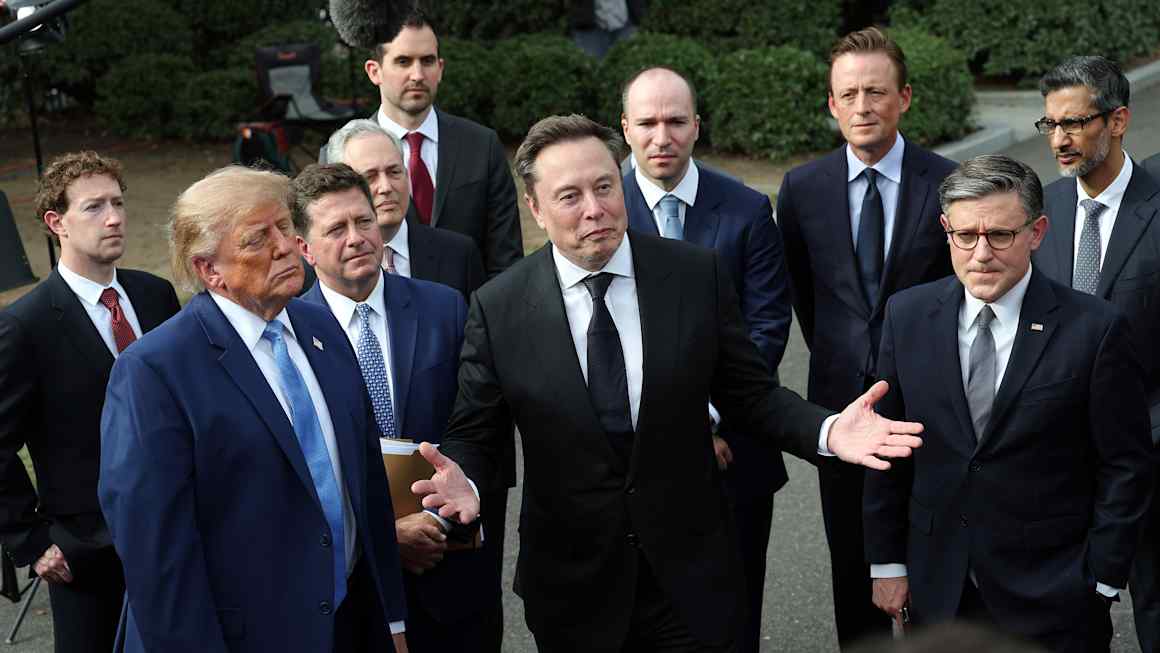
In the heart of Silicon Valley, where innovation meets ambition, the midterm elections of 2022 presented a unique challenge for Big Tech. As the clock ticked down to Election Day, a palpable tension hung in the air, marked by a growing unease among voters regarding the influence of technology on their lives. This sentiment was poignantly captured during a town hall meeting in Brooklyn, where local residents voiced their concerns over privacy, misinformation, and the unchecked power of tech giants. The atmosphere was charged with a sense of urgency, reflecting a broader national mood that would ultimately shape the electoral landscape.
In a bid to sway public opinion, major tech companies poured approximately $600 million into the 2022 midterm elections. This unprecedented financial commitment aimed to bolster candidates who aligned with their interests, particularly in the Democratic Party, which had garnered significant support among tech executives. However, as the dust settled post-election, the effectiveness of this investment came under scrutiny. Despite the lavish spending, many of the candidates backed by Big Tech faced significant challenges, and the anticipated electoral gains failed to materialize.
The disillusionment was particularly evident as key races unfolded across the country. In New York City, for example, candidates who had received substantial funding from tech giants struggled to connect with voters on pressing issues. A recent poll indicated that 65% of New Yorkers felt that tech companies prioritized profits over community welfare, a sentiment that resonated deeply with constituents. This disconnect was not just a matter of numbers; it was a reflection of a broader societal shift where voters increasingly demanded accountability and transparency from those in power.
The backlash against Big Tech was not merely a local phenomenon; it reflected a national trend. As voters expressed their frustrations, figures like Elon Musk found themselves at the center of controversy. Musk's controversial decisions and public statements, particularly regarding artificial intelligence, fueled skepticism among voters, especially within the Democratic base. The tech mogul's influence, once seen as a boon, became a liability as concerns about the ethical implications of AI and the monopolistic tendencies of Silicon Valley came to the forefront.
This growing apprehension was evident in various communities, particularly among those who felt marginalized by the rapid pace of technological change. In neighborhoods across Brooklyn, discussions centered on the need for greater accountability from tech companies. Activists called for more robust regulations, emphasizing the importance of protecting local interests against the backdrop of corporate power. The voices of local leaders, such as community organizer Maria Gonzalez, resonated strongly as she urged her neighbors to demand more from their elected officials: "We need to ensure that our community's needs come first, not the bottom line of a tech giant. Our voices matter, and we must make them heard."
Grassroots movements played a crucial role in shaping the narrative leading up to the elections. Organizations such as ACLU and Common Cause mobilized community members to advocate for transparency and accountability in tech governance. These efforts culminated in a series of town hall meetings and public forums, where residents voiced their concerns and demanded action from elected officials. Local activist groups organized rallies that drew hundreds of participants, emphasizing the need for a collective response to the challenges posed by Big Tech.
Moreover, the rise of local leaders who championed tech accountability resonated with voters. Candidates who positioned themselves as advocates for consumer protection and ethical tech policies gained traction, often outpacing their well-funded counterparts. This shift highlighted a growing recognition among voters that their voices mattered, and that a collective push for change could influence the political landscape. In one notable instance, candidate Sarah Lee, who campaigned on a platform of tech reform, managed to unseat an incumbent who had received significant funding from tech companies, a clear signal that voters were ready for a new direction.
The ramifications of Big Tech's failed electoral strategy extend beyond the political sphere; they also impact local communities. As trust in tech companies wanes, residents are increasingly wary of how these entities operate within their neighborhoods. The perception that Big Tech prioritizes profit over community welfare has led to calls for more localized solutions to address issues such as housing affordability, education, and public safety.
In response, community organizations are stepping up to fill the void left by tech companies. Initiatives aimed at fostering digital literacy, promoting equitable access to technology, and supporting local entrepreneurship have gained momentum. For instance, the NYC Department of Small Business Services has launched programs designed to empower local businesses and ensure that the economic benefits of technology reach all residents. Workshops on digital skills have been particularly popular, drawing participants from diverse backgrounds eager to harness technology for their own ventures.
Additionally, local schools have begun to incorporate discussions on technology ethics into their curricula, preparing the next generation to navigate a world increasingly shaped by digital influences. Teachers like Mr. Thompson at Brooklyn High School have noted a marked increase in student interest in these topics: "Our students are not just consumers of technology; they want to understand its implications and how to use it responsibly. This is a critical conversation we need to have."
Looking ahead, the future of Big Tech's political engagement remains uncertain. As voters demand greater accountability, tech companies must navigate a complex landscape marked by skepticism and calls for reform. The lessons learned from the 2022 midterms will undoubtedly shape their strategies moving forward, as they seek to rebuild trust with communities.
Moreover, the ongoing discourse surrounding AI and its implications for society will continue to be a focal point for both voters and tech executives. The need for ethical considerations in technological advancements has never been more pressing, and companies must be prepared to engage meaningfully with the public on these issues. The recent formation of advocacy groups focused on AI ethics indicates that citizens are ready to hold tech giants accountable for their innovations.
The challenge for Big Tech lies in demonstrating a commitment to responsible innovation that prioritizes the well-being of communities. This will require a departure from the purely profit-driven model that has characterized much of the industry. By fostering partnerships with local organizations and engaging in constructive dialogue, tech companies can begin to rebuild their reputations and align their goals with the needs of the communities they serve.
As the 2024 elections approach, the political landscape will undoubtedly evolve. Voter sentiment is likely to continue shifting, and candidates who prioritize transparency, accountability, and community engagement will likely resonate more with constituents. For Big Tech, the path forward demands not only financial investment but also a genuine commitment to being part of the solution. The upcoming elections present an opportunity for tech companies to redefine their roles not just as economic players but as responsible community partners.
By Katherine Langford

By Katherine Langford

By Marcus Chen
By Katherine Langford